

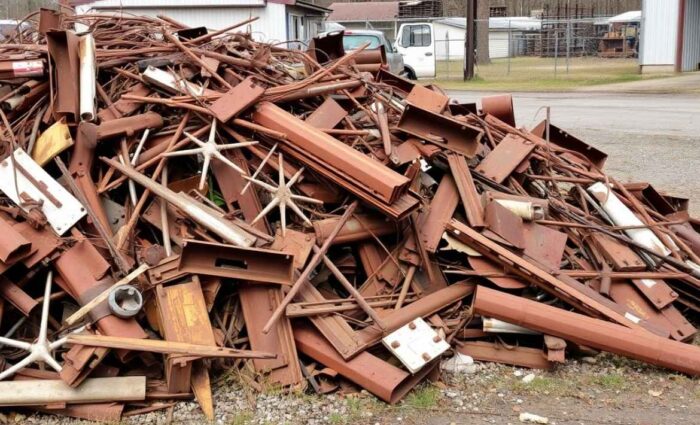
Quotes, Disposal, and Regulations in Italy
In the landscape of the circular economy, few resources are as valuable as scrap metal. Unlike plastic or paper, which lose quality every time they are recycled, metals are permanent materials: they can be melted and reformed infinitely without losing their chemical-physical properties.
However, the world of ferrous and non-ferrous scrap is complex. It is a sector governed by global stock market fluctuations (like London's LME), by very strict Italian environmental regulations, and by a technical distinction that makes the difference between worthless waste and a “treasure” to be monetized.
In this definitive guide, we'll explore everything there is to know about metal scrap: from technical classifications to market prices, up to the legal procedures for disposal and sale.
Introduction to Photovoltaics and its Disposal
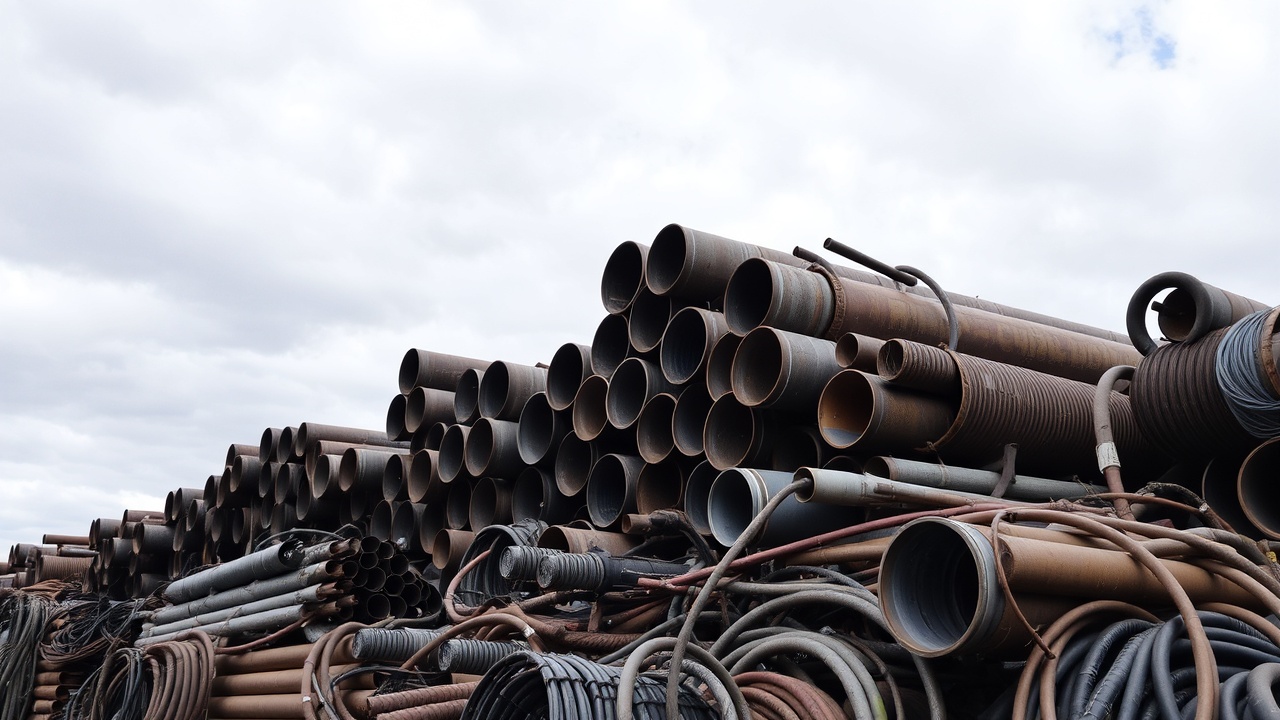
What is Scrap Metal? Definition and Importance
With the term Scrap metal This refers to all waste materials primarily composed of metal, resulting from industrial processes, building demolitions, end-of-life vehicles, or discarded household items.
They are not simply “waste.” They are, to all intents and purposes, Secondary Raw Materials. Using scrap to produce new steel or aluminum requires a fraction of the energy needed to extract virgin ore from the earth.
- Example: Recycled aluminum saves 95% of energy compared to production from bauxite.
- Example: Scrap steel drastically reduces CO2 emissions compared to traditional blast furnaces.
The Great Distinction: Ferrous vs. Non-Ferrous
To understand the value of scrap metal, the first fundamental rule is chemical distinction. This classification determines the price per kg and the intended use.
A. Ferrous Scrap (The Volume)
They are scrap materials containing iron. They are magnetic (a magnet sticks to them) and are the most common in the world.
- Types: Scrap iron, cast iron, carbon steel, iron turnings, sheet metal, industrial demolition scrap, beams, reinforcing bars.
- Value They generally have a lower per-kilogram value compared to non-ferrous metals but are traded in enormous volumes. They are the “backbone” of the steel industry (electric steel mills).
B. Non-Ferrous Scrap (The Value)
These are metals that do not contain iron (or contain minimal traces of it). They are non-magnetic and are much more resistant to corrosion.
- Copper (“The Red Gold”): The most sought-after. Found in electrical cables, plumbing pipes, electric motors. It is the king of the scrap market.
- Aluminum Lightweight and versatile. Found in cans, fixtures, car rims, and manufacturing scrap (profiles).
- Brass A copper and zinc alloy. Very common in plumbing fixtures and valves.
- Stainless Steel Even though it contains iron, the high percentage of chromium and nickel makes it a “noble” metal. It is non-magnetic (in the most premium series like 304 or 316) and has a much higher value than common iron.
- Lead and Zinc: Used in batteries, building cladding, and gutters.
What is my scrap worth? Prices and the LME
One of the most searched questions on Google is: “How much does used copper cost per kg?”. The answer is never fixed. The price of scrap metal varies daily.
Who decides the price?
The global benchmark is the LME (London Metal Exchange). It's the London exchange where metals are traded. If the price of copper goes up in London, the scrap dealer down the street will raise their purchase price.
Other factors that influence the price in Italy include:
- Material Purity: Bare copper wire is worth much more than insulated wire because it doesn't require processing.
- Quantity: Selling 10 tons guarantees a better price than 100 kg.
- Cost of energy: Melting metals costs energy. If the cost of gas or electricity rises, steel mills might reduce their demand for scrap metal, lowering prices.
Order of Magnitude (Indicative Example)
Note: Prices are volatile and purely indicative.
- Frame It's the most expensive
- Brass Intermediate value
- Aluminum Variable
- Iron The cheapest, it is often measured by the ton
Italian Regulations: Who can sell and who can buy?
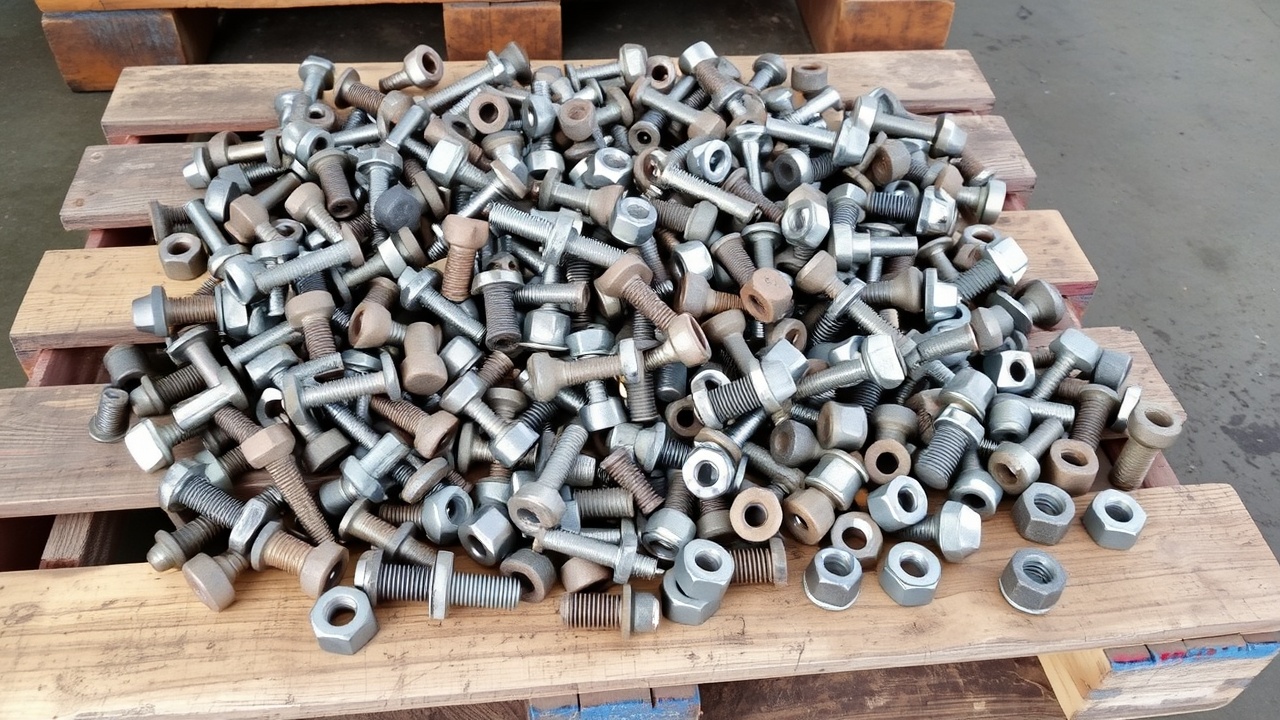
Here we enter a minefield where many make costly mistakes. Waste management in Italy is regulated by Environmental Consolidated Law (Legislative Decree 152/2006).
For Businesses (B2B)
If you are a company (mechanical, plumbing, construction) that produces scrap metal:
- Scrap metal is classified as Special Waste (Hazardous or Non-Hazardous).
- They have a EER Code (ex V.C.) specific. Examples:
- 17.04.05: Iron and steel.
- 17.04.01: Copper, bronze, brass.
- 12.01.01: Filing and chips of ferrous materials.
- Obligations: You must keep a loading/unloading log, fill out the Waste Identification Form during transport and entrust it only to authorized transporters and facilities registered with the Environmental Managers Register.
For Private Citizens
People often think: “I have old pipes in the garage, I'll take them to the scrap yard and get paid.”.
Attention: Italian law is very restrictive in combating copper theft and tax evasion.
Many collection centers (“scrap metal dealers”) cannot purchase from private individuals for cash above certain thresholds, or they outright refuse to purchase from private individuals without a VAT number to avoid legal problems regarding the origin of the material.
Private citizens should bring their metallic waste (e.g., an old bicycle, a bed frame) to the Municipal Ecological Islands free of charge. Occasional sales are a gray area that requires extreme caution and traceability (tax code, identification document).
The Recycling Process: From Scrap to Ingot
What happens after the truck unloads the scrap at the recovery facility?
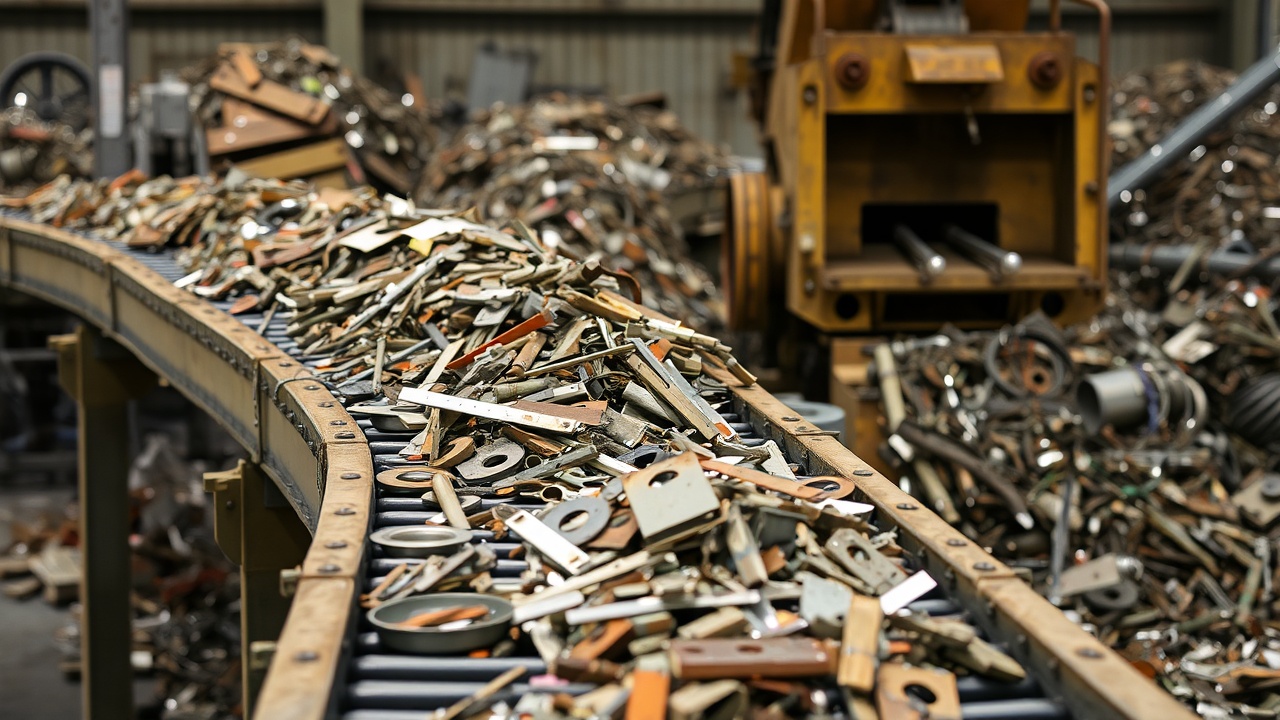
- Radiometric Control: It is mandatory by law. It is verified that there are no hidden radioactive sources in the cargo (common in imported industrial scrap).
- Screening and Separation Using huge magnets and eddy currents, iron is separated from aluminum and plastic.
- Shearing and Pressing: Pieces that are too large (like beams or car bodies) are cut by powerful hydraulic shears or pressed into cubic “bales” for easier transport to the foundry.
- Shredding: A hammer mill reduces everything to fist-sized pieces (so-called “proler”).
- Foundry The treated scrap enters the furnace (often an electric arc furnace for iron). Here it becomes liquid again, is refined, and cast into billets, blooms, or ingots, ready to become a new product.
Why sell scrap (and not throw it away)?
Beyond the legal obligation, there are economic and ethical reasons.
- Earnings (for companies): Proper scrap management transforms a cost item (waste disposal) into a revenue item. A metalworking company that well separates brass turnings from iron ones maximizes sales profit.
- Environmental Protection: Recycling metals reduces landfills, decreases landscape-devastating mining, and cuts greenhouse gas emissions.
- End of Waste Thanks to specific EU regulations (Regulation 333/2011 on metal scrap), high-quality treated scrap metal ceases to be “waste” and officially becomes “products.” This streamlines bureaucracy for those who purchase it.
Errors to Avoid in Granting
To maximize value and remain compliant:
- Do not mix: Never throw iron and aluminum in the same bin. Mixed materials are paid at the price of the poorer material (iron) or even devalued as “dirty.”.
- Beware of impurities: Plastic, wood, rubber, or oils attached to metals drastically lower their value (weight reduction).
- “Scrap metal” isn't all the same: Cast iron (e.g., old radiators) must be treated differently than steel. Always ask your scrap dealer how they prefer to receive the material.
Frequently Asked Questions (FAQ)
How much is scrap iron paying today?
The price varies, but for mixed scrap iron, we are around a few cents per kg. For large industrial quantities, the price increases. You need to consult weekly price lists or call a local operator.
Can I sell copper if I'm a private individual?
It's difficult. Due to the numerous thefts of “red gold” (railway cables, gutters), scrap metal dealers require full traceability. Many refuse to buy from private individuals. If they do accept, they must record your documents and payment must be traceable above certain thresholds.
What is CER/EER Code 17.04.05?
It is the European identification code for waste consisting of “iron and steel” from construction and demolition activities. It is essential to write it correctly on the FIR to avoid penalties.
Are tin cans ferrous scrap?
It depends! Some are made of steel (and are attracted to magnets), but most modern beverage cans are made of aluminum (which isn't magnetic). Both are 100% recyclable.
Conclusion
The scrap metal sector is a fundamental pillar of Italian and European industry. Whether you are a construction entrepreneur with tons of beams to dispose of, or an artisan with copper scraps, understanding the dynamics of this market is essential.
Separating materials at the source, knowing current prices, and relying on authorized partners for disposal is not just a legal duty, but an intelligent strategy to add value to resources that would otherwise be wasted. Metal never dies: it transforms.
Related articles
In-depth insights from our team on metal recovery, WEEE, photovoltaics, and remediation.
Metals
Scrap Metal Prices: How Prices Are Formed
Metal Scrap Prices: How Copper, Iron, and Aluminum Prices Are Formed Selling scrap metal to a...
Metals
Comprehensive Guide to WEEE: Disposal, Collection, Recycling, and Current Regulations in Italy
Comprehensive guide to WEEE: disposal, collection, recycling, and current legislation in Italy We live in an era where...
Metals
Where to Sell Copper, Iron, and Aluminum in Calabria: The Complete Guide
Where to Sell Copper, Iron, and Aluminum in Calabria: The Complete Guide Selling metal scrap at the right price requires...
In-depth information on metal and scrap recovery
Related content on scrap metal removal, quotes, and ferrous and non-ferrous metal recovery.